


The Science of Shedding: Light, Melatonin, and the Pineal Gland
For many horse owners, the arrival of spring is marked by the inevitable appearance of loose hair on rugs, numnahs, and clothing. It is a common misconception that this seasonal transition is driven primarily by rising temperatures. However, from a biological perspective, the thermometer is merely a secondary factor. The true architect of the equine coat cycle is light.
Understanding the internal mechanisms that govern shedding: specifically the role of the pineal gland and the secretion of melatonin: allows us to move beyond superficial grooming. By aligning our stable management and grooming techniques with the horse’s physiology, we can optimise coat health and ensure the transition between seasons is as efficient as possible.
The Photoperiod: Nature’s Biological Clock
The horse’s coat cycle is regulated by the photoperiod, which refers to the period of time each day during which an organism receives illumination. This process is a survival mechanism evolved over millennia, ensuring the horse has a thick, insulating coat in the winter and a sleek, heat-dissipating coat in the summer.
While temperature can influence the density and length of the hair growth, it is the change in day length that acts as the primary trigger for the follicle to enter its next phase. This is why horses kept in artificially lit stables often begin to shed earlier than those kept on a natural light cycle, regardless of the ambient temperature outside.
The Pineal Gland and the Melatonin Pathway
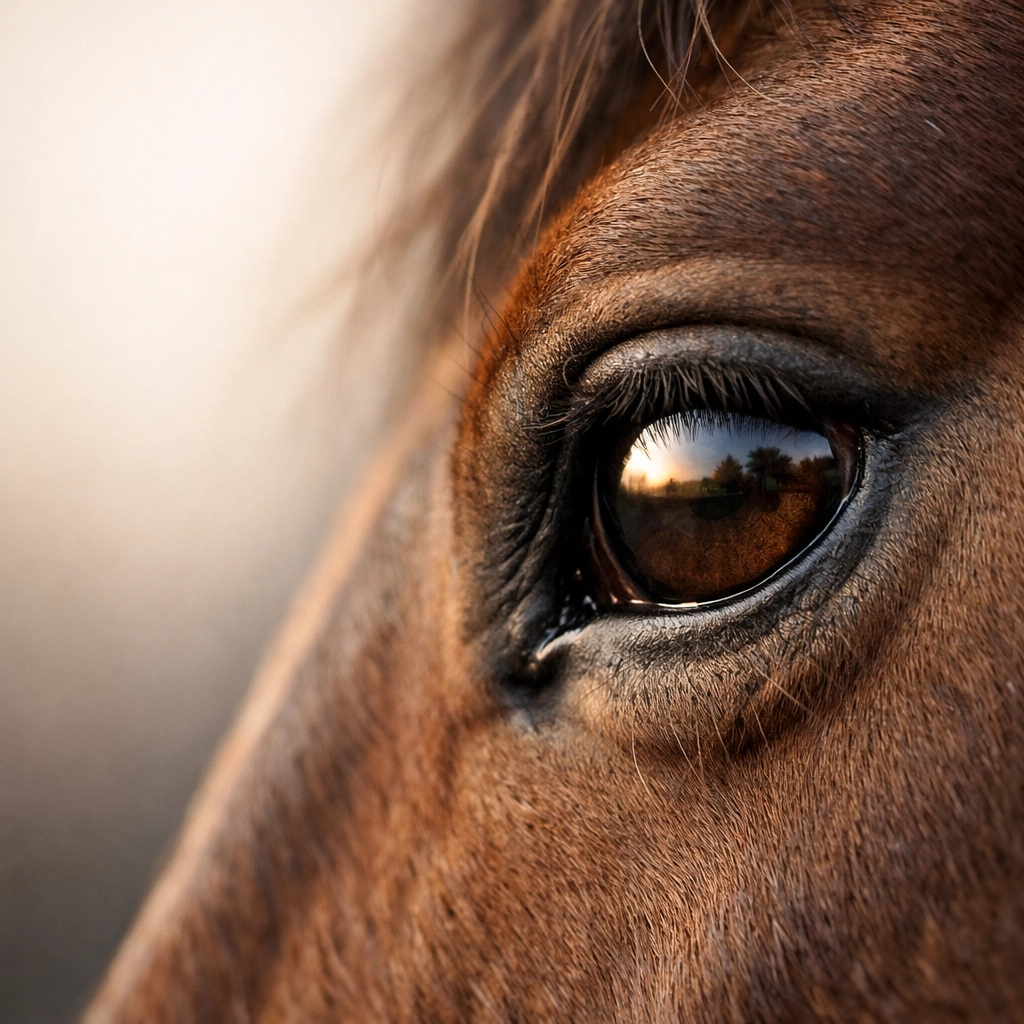
The process begins at the retina. When light enters the horse's eye, signals are sent to the suprachiasmatic nucleus (SCN), a small region of the hypothalamus that acts as the master circadian pacemaker. From here, the signal is transmitted to the pineal gland, a pinecone-shaped endocrine gland located deep within the brain.
The pineal gland’s primary function in this context is the production of melatonin, often referred to as the 'hormone of darkness'. Melatonin is synthesised from serotonin and is secreted in high concentrations during periods of darkness.
- Winter (Short Days): During the long nights of winter, the pineal gland produces high levels of melatonin over an extended period. These elevated levels signal the hair follicles to remain in the anagen (growth) phase for the winter coat, producing the long, thick fibres necessary for thermoregulation.
- Spring (Longer Days): As the days lengthen, the duration of melatonin secretion decreases. This drop in melatonin acts as a chemical messenger to the hair follicles, triggering the transition from the winter coat to the summer coat.
Cuticle Mechanics: The 'Roof' of the Hair
To understand why professional grooming is essential during this hormonal shift, we must look at the microscopic structure of the hair itself. Each individual hair shaft is composed of three layers: the medulla, the cortex, and the cuticle.
The cuticle is the outermost layer, consisting of overlapping keratin plates that resemble the shingles on a roof. In a healthy, well-groomed coat, these plates lie flat against the hair shaft. This configuration serves two vital purposes:
- Protection: It seals the inner cortex, preventing moisture loss and protecting the hair from environmental damage.
- Refraction: Flat cuticle plates create a smooth surface that reflects light efficiently, resulting in the 'bloom' or shine we associate with peak health.
When a horse begins to shed, the old, dead hairs (in the telogen phase) often become brittle. The cuticle plates may lift or 'ruffle,' creating a dull appearance and allowing dust and dander to become trapped beneath the scales.
The Importance of 'The Lay' and 'Re-laying the Hair'
At Eqclusive, we focus on 'the lay' of the hair: the natural direction in which the hair grows. During the shedding season, the goal of grooming is not simply to remove dead hair, but to manage the mechanics of the cuticle.
While many tools are designed to 'strip' the coat, aggressive grooming can often damage the emerging summer coat or irritate the skin. The scientific approach involves using specific bristle textures to clear the follicles and then meticulously 're-laying' the hair.
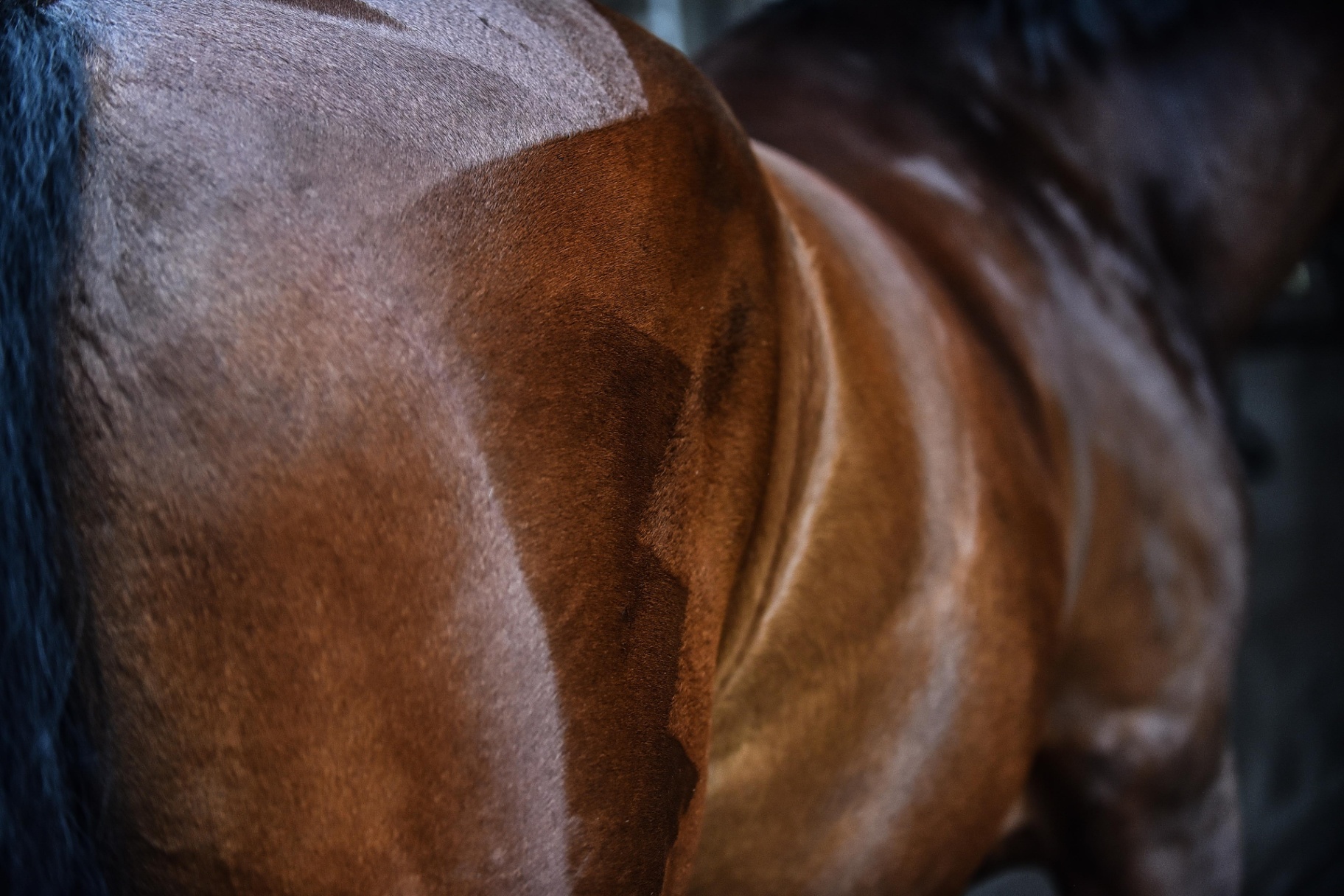
Re-laying the hair refers to the final stage of grooming where the horse is brushed in long, firm strokes in the direction of growth. This action performs a mechanical function: it encourages the cuticle plates to lie flat. When we talk about 'flattening the roof,' we are physically smoothing the keratin scales. This seals the hair shaft, enhances the natural shine by increasing light reflection, and ensures the skin's natural oils (sebum) are distributed evenly along the length of the hair.
Supporting the Transition through Science-Led Grooming
Understanding that shedding is a systemic, hormonal process means we must treat grooming as a health intervention rather than an aesthetic task. When the pineal gland signals the shed, the horse’s body is under a degree of metabolic pressure to produce a new coat.
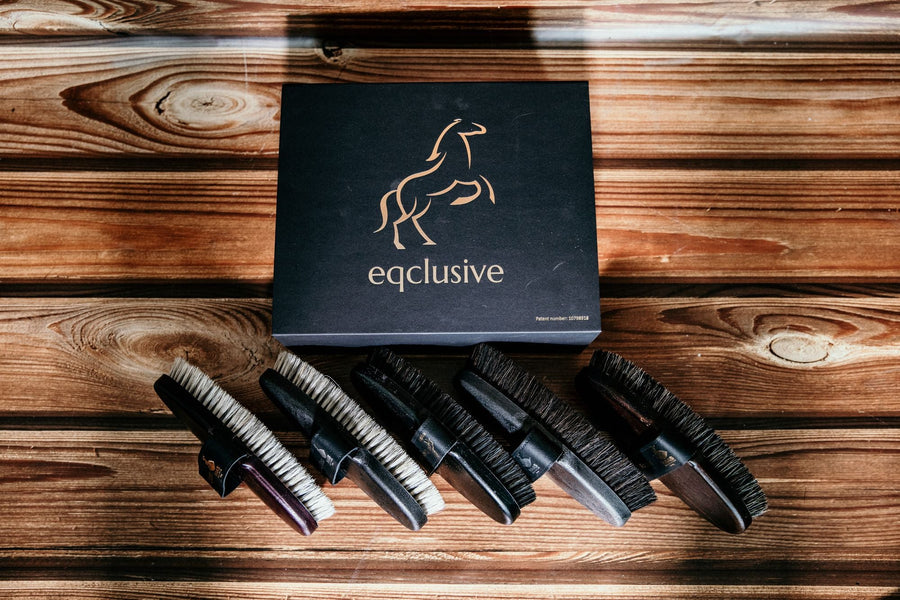
Efficient removal of the old coat is necessary to prevent skin irritation and to allow the skin to breathe. However, the manner in which it is removed dictates the quality of the incoming coat. Using a patented pack of brushes tailored to the horse's specific coat type ensures that the bristles reach the skin to stimulate blood flow without compromising the integrity of the hair cuticle.
Increased blood flow to the skin surface (vasodilation) ensures that the hair follicles receive the nutrients required for the synthesis of new keratin. This is the 'certainty' that science provides: by supporting the biological requirements of the follicle, we achieve a superior result.
The Role of Grooming in Circadian Synchrony
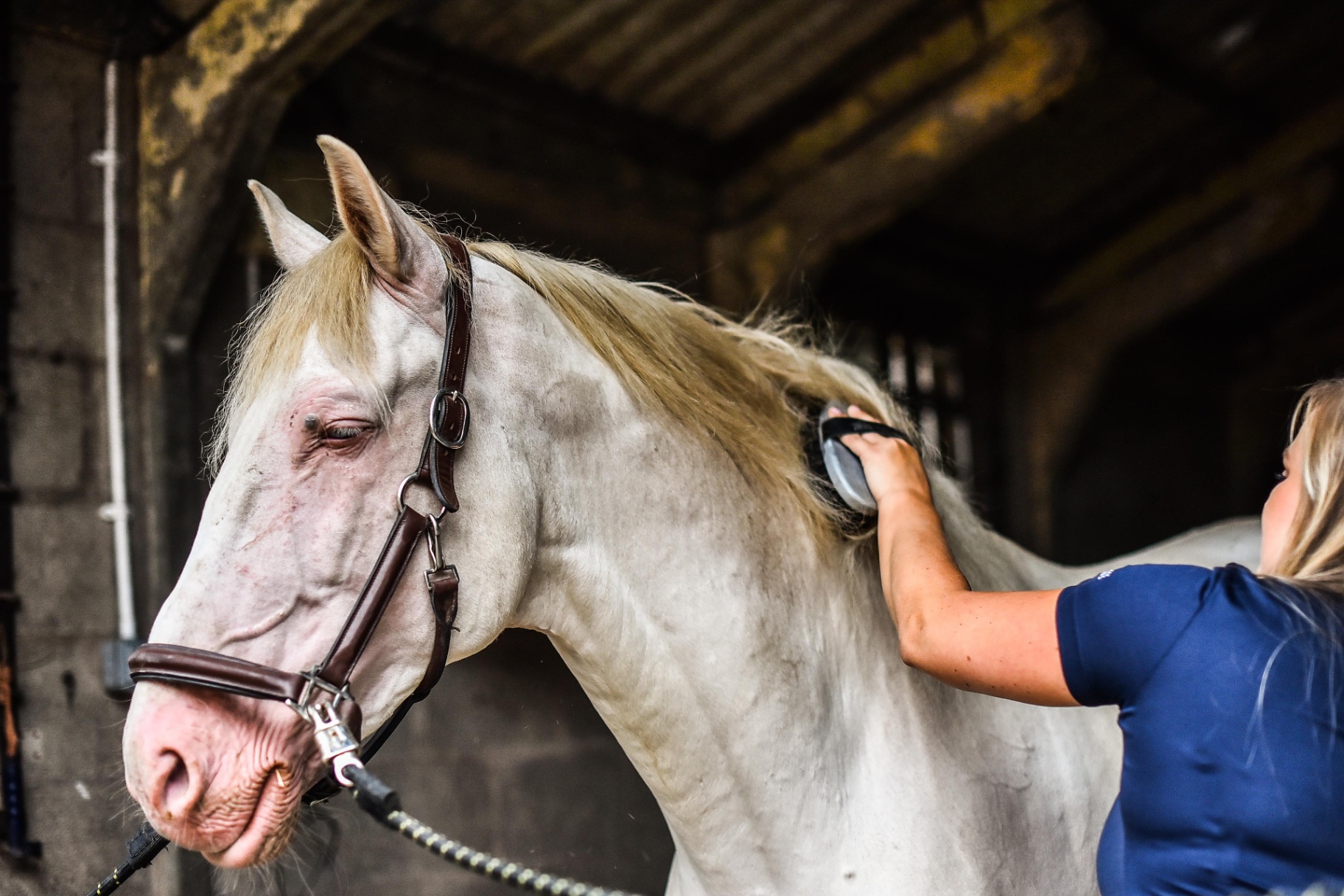
While we cannot change the tilt of the earth or the lengthening of the day, we can influence how the horse’s body responds to these changes. Consistent grooming routines provide a tactile signal to the horse’s nervous system.
By removing the dander and dead hair that accumulate during the 'melatonin drop,' we assist the horse in thermoregulation. A horse that is unable to shed efficiently may overheat as the ambient temperature rises, leading to stress and further hormonal imbalances.
Conclusion: A Data-Driven Approach to Coat Care
The 'spring shed' is not a mystery; it is a precisely timed physiological event dictated by the pineal gland and mediated by melatonin. As owners and caretakers, our role is to act as an extension of this natural process.
By moving away from 'salesy' promises and focusing on the mechanics of the hair cuticle and the lay of the coat, we can provide our horses with the highest standard of care. Premium grooming is not about the amount of hair on the floor; it is about the health of the hair that remains and the efficiency of the skin beneath.
Through the application of scientific principles: flattening the cuticle, stimulating the follicle, and respecting the photoperiod: we ensure that every horse under our care doesn't just shed, but thrives.
To learn more about our commitment to educational leadership in equestrian care, visit our About Us page or explore our scientific grooming blog for further insights into equine physiology.

Leave a comment